Command Centre / Press Room / Foreign Affairs
Foreign AffairsTuesday, 4 August 2026 · 2 min read
OTUNNU PLEDGES UN REFORMS, STRONGER DEVELOPMENT FOCUS IF ELECTED SECRETARY-GENERAL
By Sarah Nanteza
Uganda’s candidate for United Nations Secretary-General, Ambassador Olara Otunnu, has outlined his vision for a reformed and more effective United Nations, focusing on institutional transformation, sustainable development, climate action and emerging technologies.
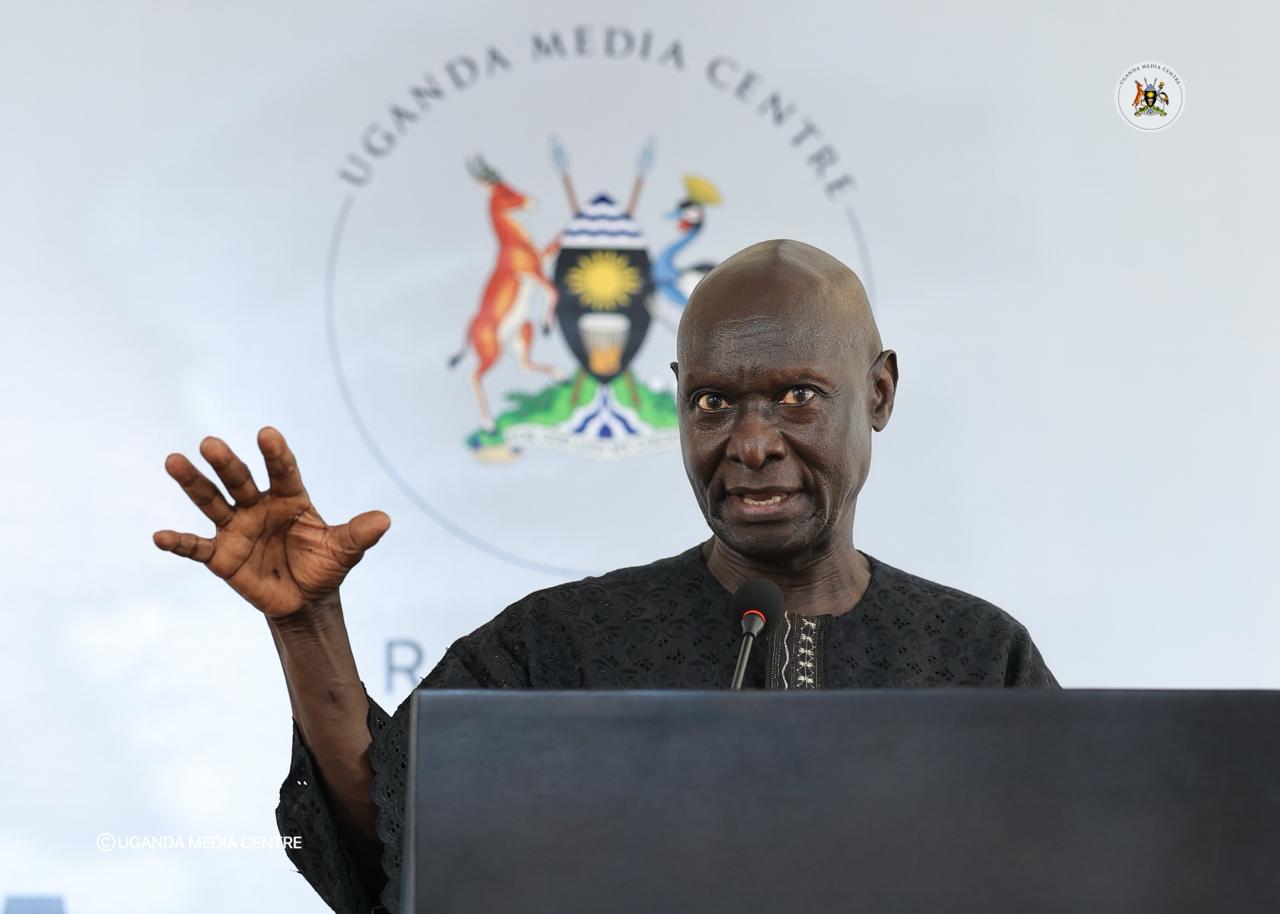
Speaking during a media engagement at Uganda Media Centre, Otunnu said that, if elected, his administration would prioritise a comprehensive review of the UN system to address challenges affecting its effectiveness.
He identified bureaucracy, transparency in recruitment, representation, and the need for greater impact at the community level as key areas requiring attention.
“The United Nations should be strengthened to become more effective and to make its impact felt around the world,” Otunnu said, adding that experts, including those from the private sector, would be engaged to bring in best practices.
On development, Otunnu said the Secretary-General’s role is to use the office's influence and convening power to help developing countries access long-term financing and partnerships.
He emphasised that countries seeking support should have clear development plans, promote accountability and ensure resources are used effectively to benefit citizens.
Otunnu also highlighted climate change as a major global challenge, saying its effects are already being felt by communities, especially small-scale farmers, through changing seasons and unpredictable weather patterns.
“We must approach climate change as a practical and universal challenge. Economic growth and prosperity must go hand in hand with responsible stewardship of our environment,” he said. The former UN Under-Secretary-General further highlighted artificial intelligence as a transformative force shaping the future of the global economy.
He called for international cooperation involving governments, technology experts and the private sector to establish systems that guide the responsible use of artificial intelligence and ensure its benefits reach all communities.
Otunnu said the UN must remain connected to ordinary people by creating stronger links between global decisions and local realities.
He noted that his experience working at the international level and later engaging with communities affected by conflict gives him a unique understanding of how global policies can translate into meaningful change on the ground.
He described his candidacy as an opportunity to bring grassroots experience to the highest level of global leadership.