Command Centre / Press Room / Agriculture
AgricultureWednesday, 19 August 2026 · 4 min read
STATEMENT ON FISHERIES MANAGEMENT IN UGANDA
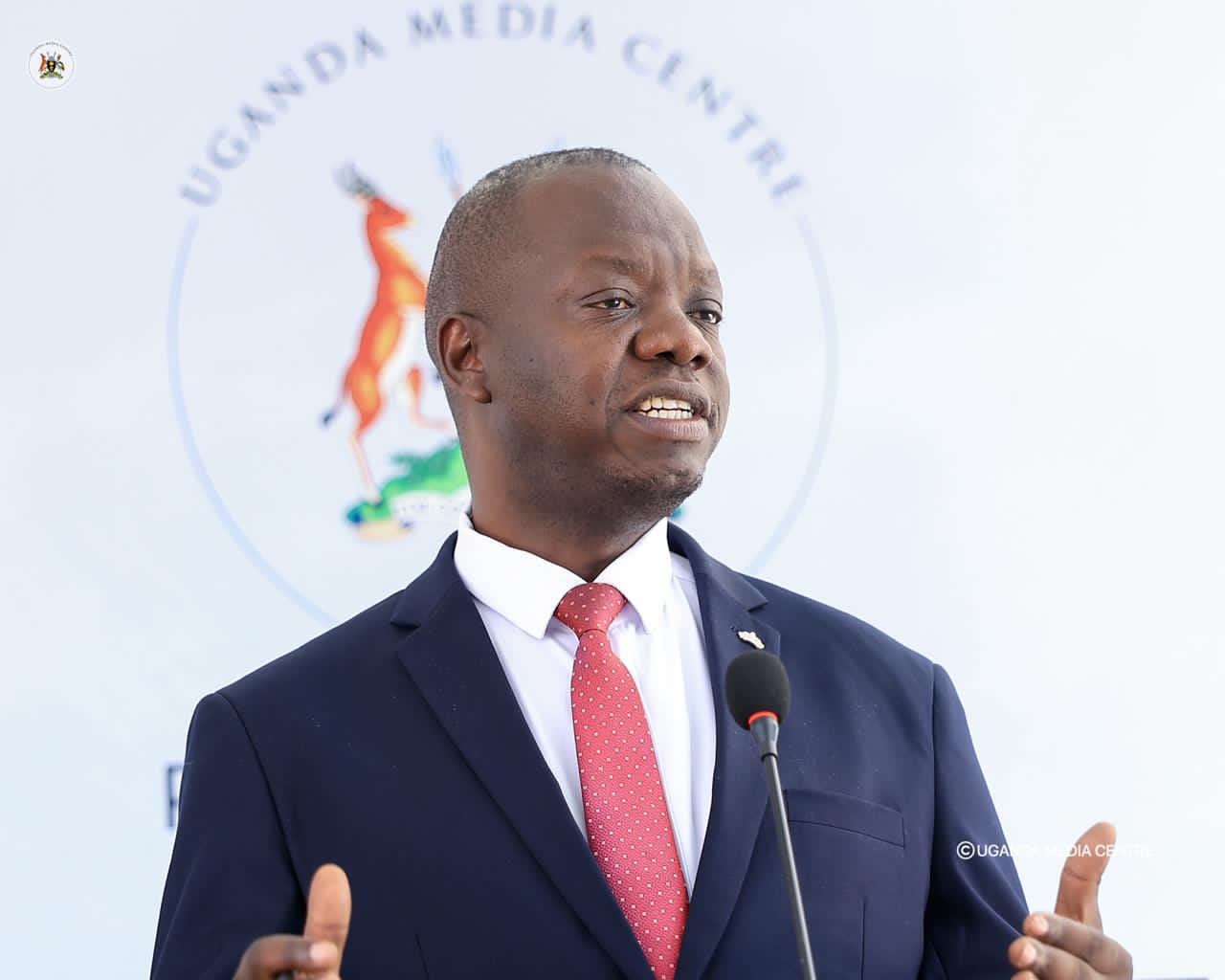
By the Minister of State for Fisheries 20th August 2026 Media Centre, Kampala
Fellow Countrymen and Countrywomen,
1.0 Introduction
Uganda is endowed with enormous water resources comprising major and minor lakes, rivers, valley dams and tanks, wetlands, and water reservoirs, which give the country great potential for fisheries development.
Eighteen percent (18%) of Uganda's surface area of 241,550 square kilometres, equivalent to approximately 43,479 square kilometres, is covered by open freshwater and swamps.
There are several fish species found in Uganda's water bodies. The major species include:
Nile Perch (Mputa)
Nile Tilapia (Ngege)
African Catfish (Male)
Lungfish (Mamba)
Tiger Fish (Ngassa)
Silverfish (Mukene, Ragogi and Muziri)
Haplochromines species
Sprat (Nkejje)
There are also other species such as Labeo and Synodontis, which are gradually becoming rare in catches.
Nile Tilapia, Catfish, and the imported Mirror Carp are the main species produced through aquaculture. Research is also being undertaken to domesticate and culture Nile Perch and Labeo.
It is estimated that Uganda produces about 750,000 metric tonnes of fish annually, with aquaculture contributing approximately 165,000 metric tonnes.
The national target is to produce 1.7 million metric tonnes of fish, of which 1 million metric tonnes is expected to come from aquaculture.
Most of the fish produced in Uganda is consumed as food both nationally, regionally, and internationally. Some species such as Mukene, Nkejje, and Ngara are also believed to have medicinal and therapeutic value. Silverfish is increasingly being used in the production of animal feeds.
To properly guide conservation and increase benefits from Uganda's fisheries resources, Government introduced a new Fisheries and Aquaculture Law.
The purpose of this statement is to inform the country that the development of the regulations and accompanying guidelines to operationalise the Fisheries and Aquaculture Act has now been finalised.
2.0 Challenges Affecting the Fisheries Sector
The fisheries sector continues to face a number of challenges, including:
Declining fish stocks.
Increasing fishing capacity, with too many fishers, boats, and fishing gear targeting limited fish resources.
Difficulties in implementing species-specific licensing.
Low levels of boat licensing, with many boats operating illegally.
Rampant use of monofilament fishing nets.
Continued importation and use of illegal fishing gear manufactured locally.
Excessive use of lights during silverfish fishing.
Use of destructive fishing methods.
Inappropriate composition of co-management committees.
Fishing in breeding and nursery grounds.
These challenges have resulted in reduced fish production and productivity, inadequate fish supplies for processing industries, reduced foreign exchange earnings, and insufficient fish available for domestic consumption.
3.0 Proposed Solutions
To address these challenges, the Ministry has finalised a new set of regulations following the enactment of the Fisheries and Aquaculture Act, 2023.
The regulations include:
1. Fish (Fishing Capacity Management) Regulations, 2026
These regulations:
Set the maximum number of fishing boats allowed per water body and per individual.
Provide procedures for licensing.
Prescribe penalties for non-compliance.
Specify the types and sizes of fishing gear permitted for different fish species.
Restrict silverfish harvesting to scoop nets and lift nets during the dark phase of the moon and at least 2 kilometres from the shoreline.
Restrict silverfish fishing to designated landing sites.
Provide minimum harvest sizes for fish.
Aim to rebuild fish stocks through effective management of fishing effort.
2. Fish (Closed Fishing) Regulations, 2026
These regulations provide for the temporary closure of fishing activities in specific water bodies, locations, or periods based on scientific research.
3. Fish (Protection of Fish Breeding Areas) Regulations, 2026
These regulations provide for the identification, demarcation, and protection of fish breeding grounds.
4. Fish (Quality Assurance) Regulations, 2026
These regulations ensure the safety and quality of fish and fish products intended for human consumption.
5. Aquaculture Regulations, 2026
These regulations guide the management and development of aquaculture activities across the country.
6. Fish Maw Regulations, 2026
These regulations specifically regulate the harvesting and trading of fish maw due to its unique commercial value.
7. Fish Co-management Regulations, 2026
These regulations provide guidance on the establishment, operation, and responsibilities of fish landing site committees, ensuring that qualified members participate in fisheries management.
8. Fish (Stocking and Restocking) Regulations, 2026
These regulations guide the stocking and restocking of fish in natural water bodies.
9. Monitoring, Control and Surveillance Unit Regulations
These regulations establish a Monitoring, Control and Surveillance Unit within the Ministry to strengthen fisheries enforcement.
In addition, the Ministry will continue to:
Improve post-harvest handling, processing, and marketing.
Promote development of high-value fish products.
Review policies on fish resource utilisation.
Develop species-specific management plans for major fish species.
4.0 Way Forward
Given the importance of the fisheries sector and Uganda's enormous potential for fish production, I call upon all Ugandans to support the implementation of these regulations so that fish stocks in our water bodies can recover and increase.
I appeal to:
The general public.
Local Government Authorities.
Civil Society Organisations.
The Private Sector.
to support efforts aimed at conserving Uganda's fisheries resources for future generations.
I also urge all fishers to apply for fishing licences before 15th September 2026. After this date, Government will begin enforcement operations aimed at reducing excess fishing capacity, including the removal of unlicensed fishing boats.
The licences to be issued will be species-specific. For example, a licence for Nile Perch fishing will be different from a licence for Nile Tilapia fishing. Each fishing activity will require its own licence, and licences will be non-transferable.
The Government will also disseminate detailed implementation guidelines to support compliance with these regulations.
Furthermore, I wish to emphasise that Government will intensify crackdowns and enforcement against:
Markets dealing in immature fish.
Importers of illegal fishing gear.
Distributors of illegal fishing equipment.
FOR GOD AND MY COUNTRY
Hon. Robert Migadde Ndugwa (MP) Minister of State for Fisheries