Command Centre / Press Room / Social
SocialWednesday, 29 July 2026 · 3 min read
HAS PRESIDENT MUSEVENI PROMOTED KISWAHILI?
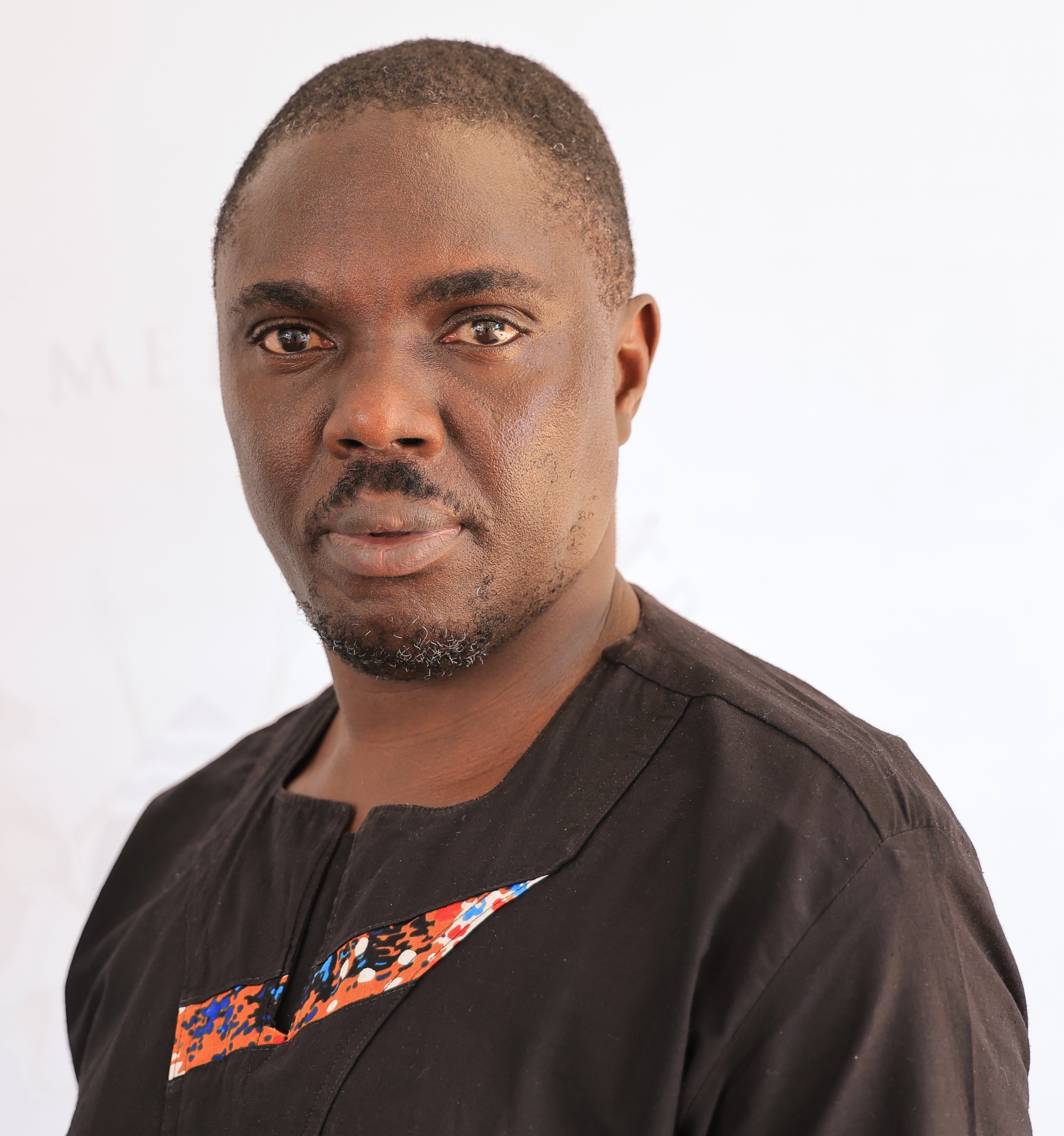
By Monday Akol Amazima
In December 2025, at the height of the general elections in Uganda, I was invited to present a paper at the 9th International Kiswahili Conference in Zanzibar. The topic of discussion was to what extent President Yoweri Museveni has promoted Kiswahili as a vessel for communication in Uganda. The conference that was organised by the Kiswahili Council of Zanzibar (BAKITA) was attended by scholars and stakeholders of Kiswahili and African languages drawn from across the world.
The feeling that Kiswahili died in Uganda, still dominates the minds of some scholars outside Uganda. Some imagine that Idi Amin is the only Ugandan president that had Kiswahili at heart. Therefore, this was another opportunity to set the record straight and put facts across, insofar as the development of Kiswahili is concerned in Uganda.
Yes, President Yoweri Kaguta Tibuhaburwa Museveni has promoted Kiswahili, though using the people demand approach. Jomo Kenyatta and Julius Kambarage Nyerere of Kenya and Tanzania respectively used decrees to have Kiswahili, as both a national and official language, in their countries. Through these decrees Kiswahili was adopted very fast and, therefore, became the identity of the two East African countries.
In Uganda, President Museveni has empowered institutions and individuals to gradually appreciate Kiswahili as a Pan-African unifying language. This approach has seen gradually education institutions develop Kiswahili, so much so that now it is a compulsory subject at lower secondary and the National Curriculum Development Centre (NCDC) has already put in place a syllabus and curriculum for Kiswahili rollout in primary schools.
Museveni’s approach of letting people and institutions identify the need and, therefore, work with government in developing Kiswahili, has seen the ruling National Resistance Movement (NRM) have her cadres train in Kiswahili, an initiative spearheaded by the office of the NRM Secretary General Rt. Hon. Richard Todwong. Equally at every election, NRM’s presidential candidate has had his campaign message translated and produced in Kiswahili as opposed to some opposition presidential candidates, like Mubarak Munyagwa, who made it clear they would ban the use of Kiswahili in Uganda.
With President Museveni’s guidance, every Monday before their meeting, Cabinet has been learning Kiswahili, consequently most of the ministers have impressed it upon their ministries staff to start learning Kiswahili. The Ministry of ICT and National Guidance, Ministry of Works and Transport, the Inspectorate of Government, National Water and Sewerage Corporation are among the many government agencies that have embraced teaching Kiswahili to their staff.
President Museveni’s support for the growth of Kiswahili, as a Pan-African language for wider communication, includes his direct sponsorship for Kiswahili international conferences in Uganda. At such conferences, scholars drawn from all parts of the world come to Uganda to share best practices, insofar as developing the language is concerned.
Other than presidents from Tanzania and Kenya, Presidents Museveni and Joachim Chissano of Mozambique are credited for rallying the continent to adopt and popularize Kiswahili as the Pan-African language for wider communication.
However, inasmuch as President Yoweri Museveni has created a conducive atmosphere for the growth and use of Kiswahili in Uganda, failure to have the National Kiswahili Council, as per the protocol that established the East African Kiswahili Commission, undermines the many efforts that are already in place.
It is important that the Ministry of Education and Sports amicably handles the issue of who to host the council, with the Ministry of Gender, Labor and Social Development, so that the establishment of the council can be expedited. Failure for the two ministries to work out a hosting plan seems to be the elephant in the room for the formation of the council that would properly consolidate the efforts of developing Kiswahili as both second official and national language of Uganda.
The writer is a Pan-African and Kiswahili Communication specialist who works with Uganda Media Centre